
An icon of Central Otago

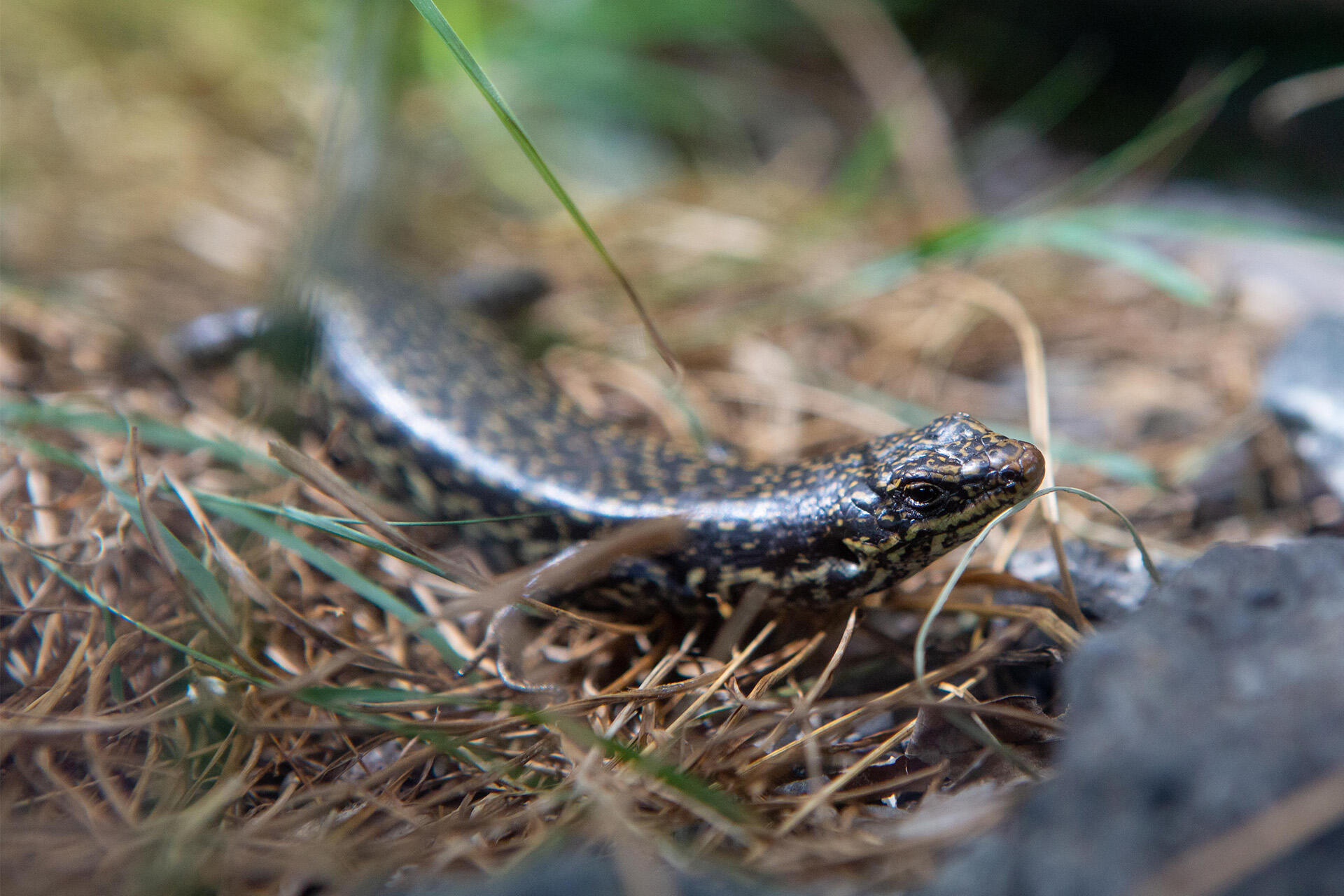
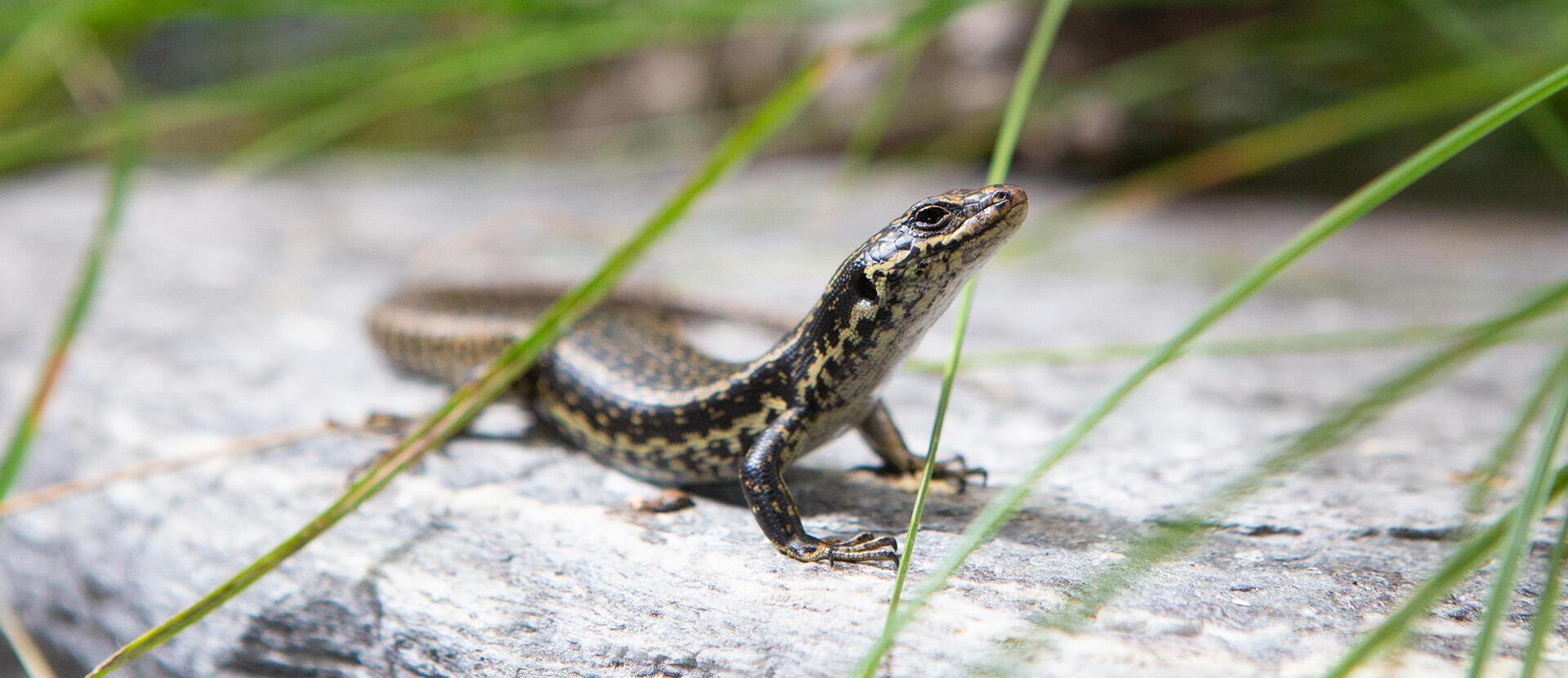
Bold, beautiful, and built for a life among stone, the grand skink is one of Aotearoa New Zealand’s largest and most striking skinks. Its black and gold markings blend perfectly with lichen-covered schist rock, allowing it to bask confidently in the open while remaining surprisingly well camouflaged in its rugged, rocky home.

Life in close quarters

Grand skinks live in social groups of around 20 individuals, centered on large, house-sized rock tors. These rocky strongholds are often separated by 50 to 150 meters of unsuitable habitat, limiting movement between groups. As a result, individuals commonly share space with other adult relatives of the opposite sex. Research shows that grand skinks do not actively avoid mating with related individuals, and some inbreeding does not appear to reduce the survival of young in their first year. This social system reflects life in an isolated and rugged landscape where suitable habitat is rare.

Built for a rocky world

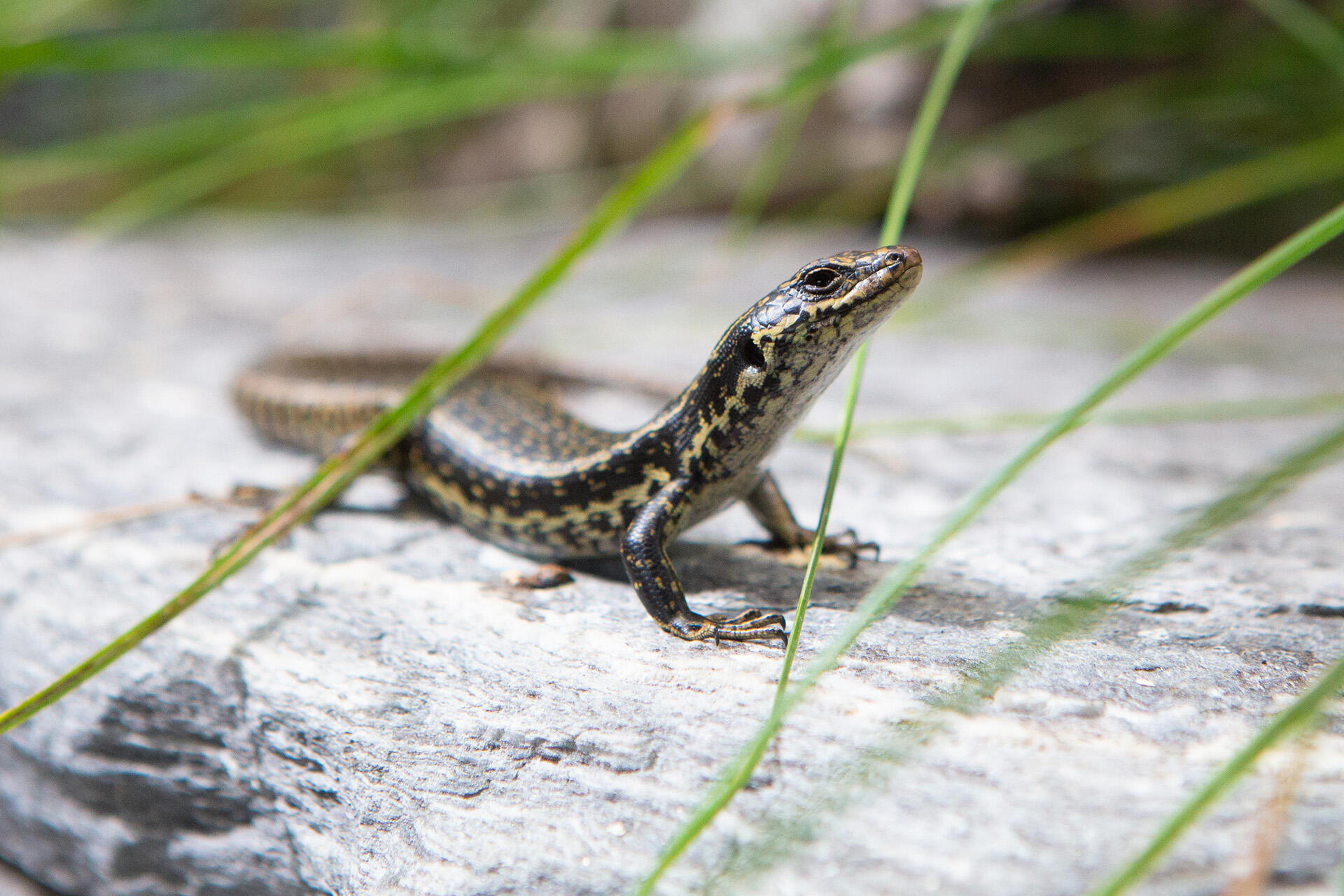
Life in Central Otago is tough, and grand skinks have evolved to make the most of every advantage their environment offers. They rely on complex rock tor systems, using deep cracks and crevices as shelter from predators and extreme temperatures. When the sun appears, grand skinks often bask boldly in the open, adopting an unusually upright posture as they soak up warmth on the exposed rock. These rugged stone networks are more than just a backdrop. They are highways, hideouts, and long-term homes in a landscape where good shelter is hard to come by.
In the Wild

Origin: New Zealand (South Island)

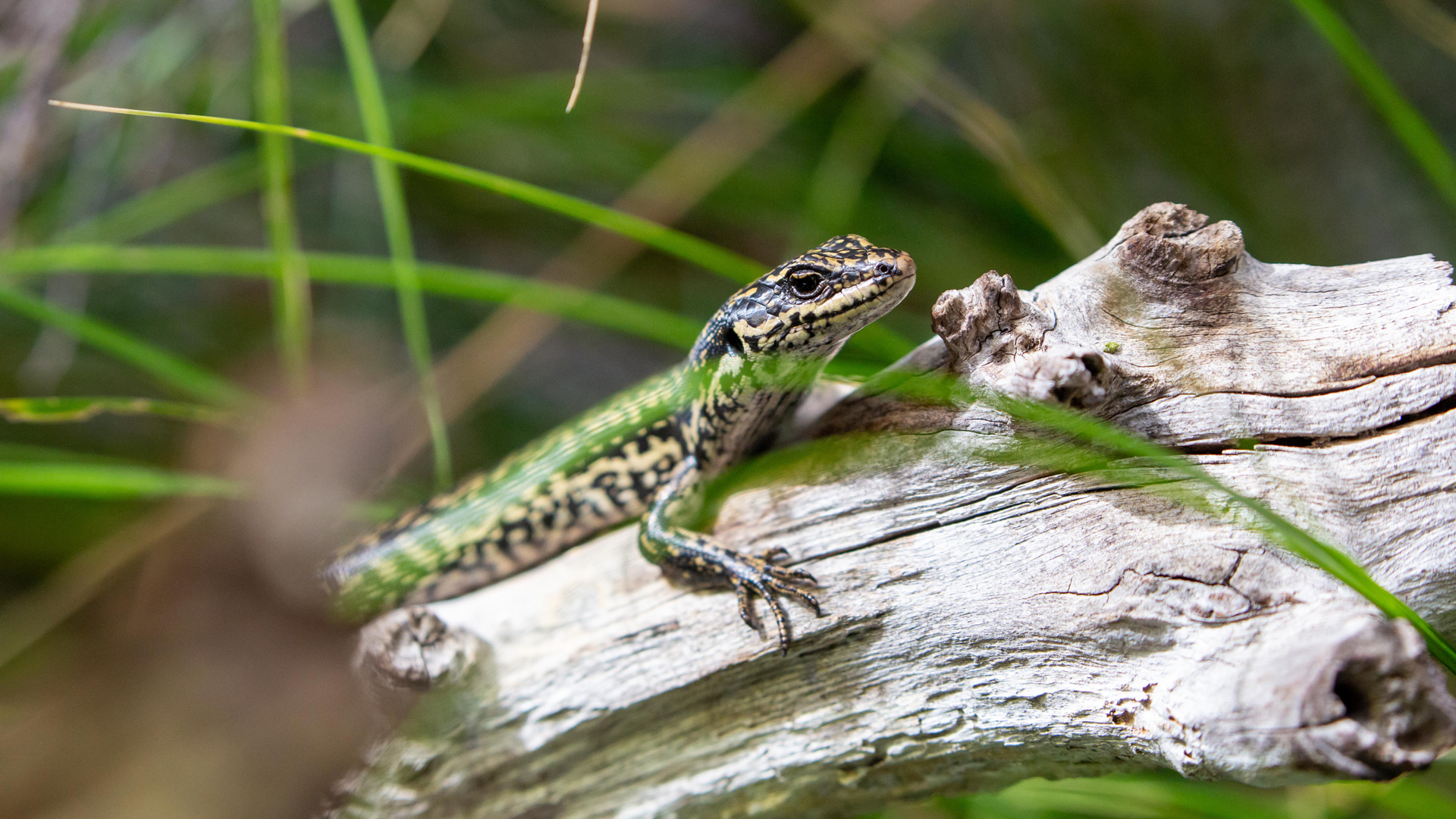
Habitat: Terrestrial – Grassland, rocky areas (inland cliffs and mountain peaks)

Conservation status: IUCN – Endangered

How we’re helping

Auckland Zoo has been part of a long-term conservation effort focused on protecting Otago’s rare western skinks. This work combines scientific research, managed care, and field conservation to help safeguard some of Aotearoa New Zealand’s most threatened reptiles.

In 2014, the Department of Conservation identified that grand skinks and Otago skinks living in western Otago were facing serious threats from introduced mammalian predators, including rats, cats and stoats. Without urgent intervention, these already vulnerable populations were at risk of continued decline.

In response, initial pest control efforts were funded by the Auckland Zoo Conservation Fund and implemented by the local DOC office in Wanaka. Due to the scale of the problem, it was found that trapping predators alone wasn’t an effective long term solution.

Four zoos (Auckland Zoo, Isaacs Conservation and Wildlife Trust, Kiwi-Birdlife Park and Wellington Zoo), two highly experienced private lizard-breeders and the Zoo & Aquarium Association (ZAA) all collaborated with DOC to form a coordinated breeding programme. During this time, the Central Otago Ecological Trust (COET) put in the hard yards and was able to fundraise the construction of a predator-proof fence that covered 14 hectares of prime skink habitat at the Mokomoko Dryland Sanctuary outside Alexandra.

In 2018, 67 grand and Otago skinks were released into the Mokomoko Dryland Sanctuary. We were lucky enough to have Manaaki Whenua – Landcare Research Group to film the release which you can watch here.

How you can help

As a not-for-profit, we rely on our amazing supporters like you to be able to continue our conservation Wild Work for the world’s most vulnerable and at-risk animal species. Help our wildlife in need by donating here!

Other New Zealand Species